All about Crete
The largest of the Greek islands, and the southernmost part of Europe
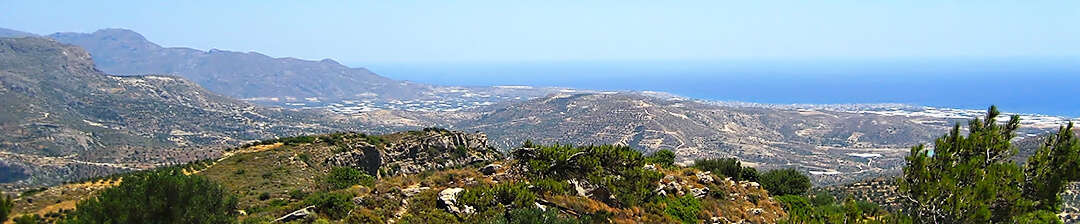
Discover Crete
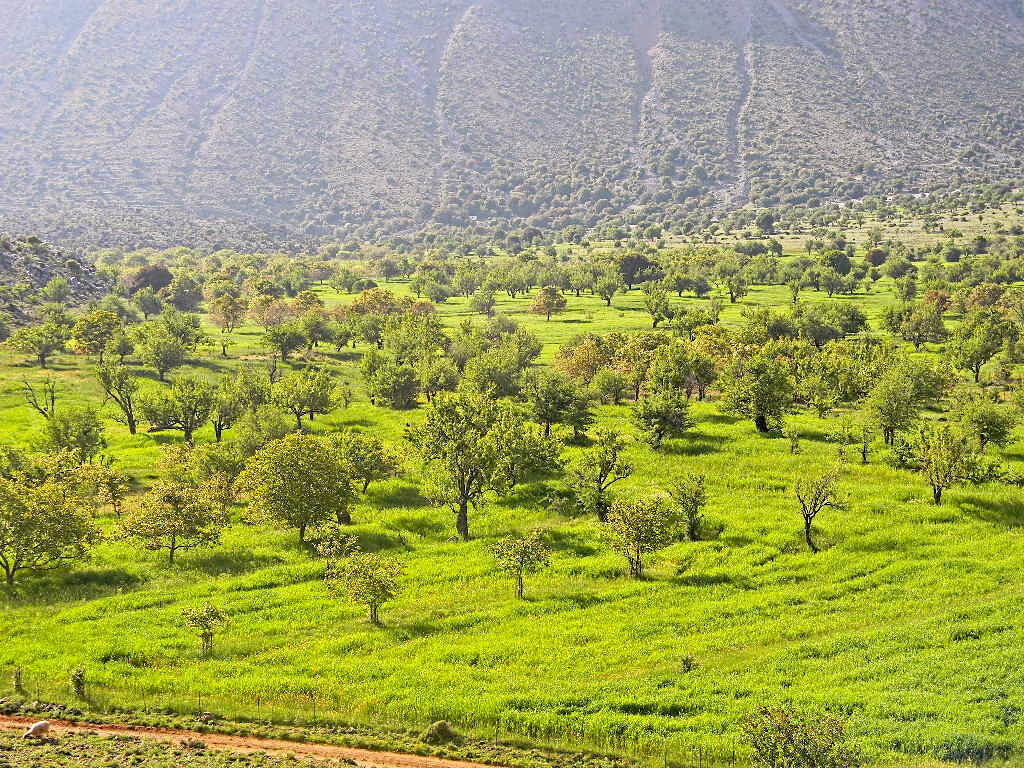
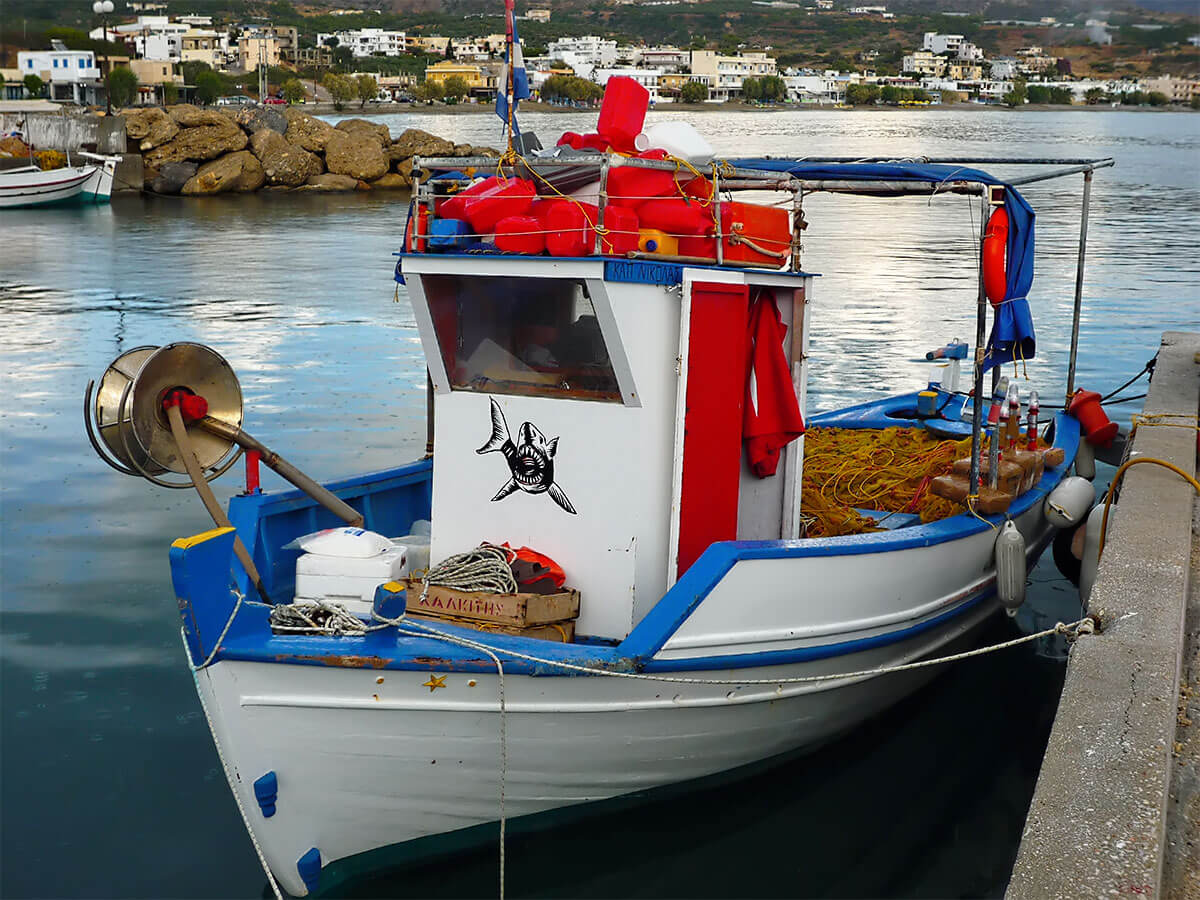
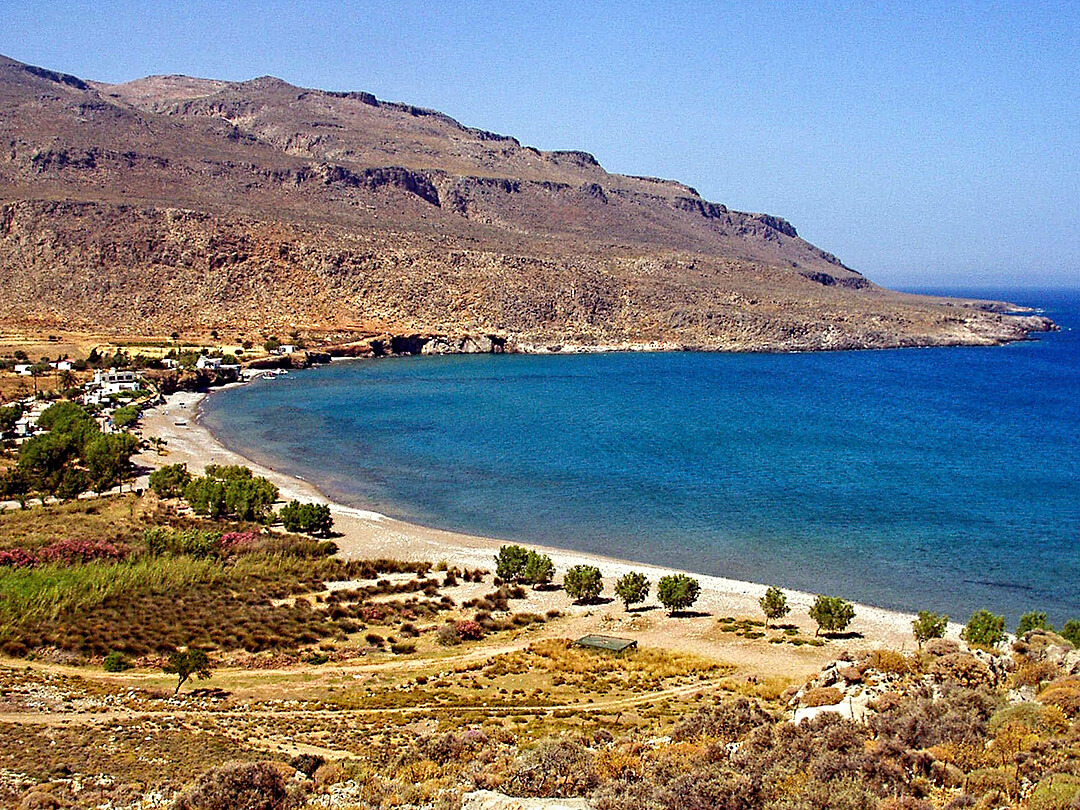
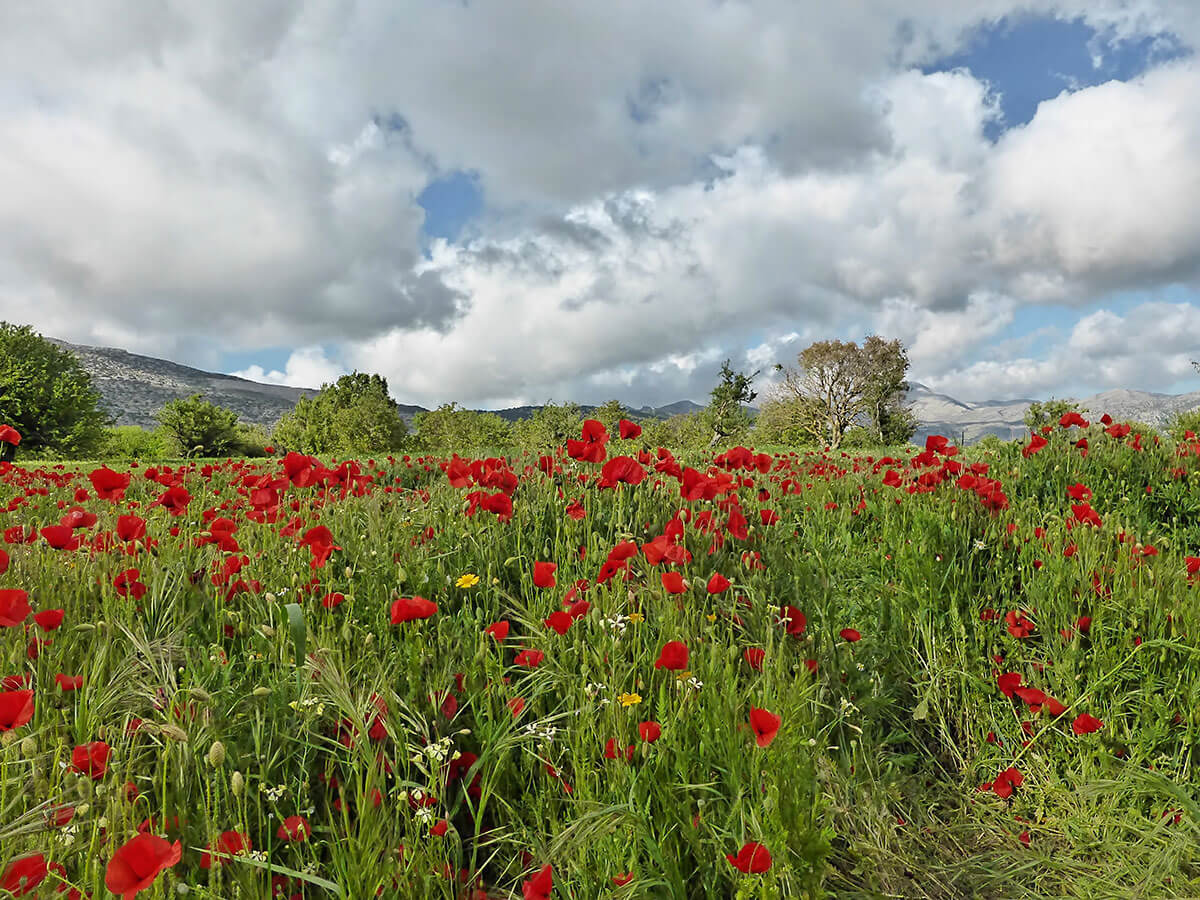
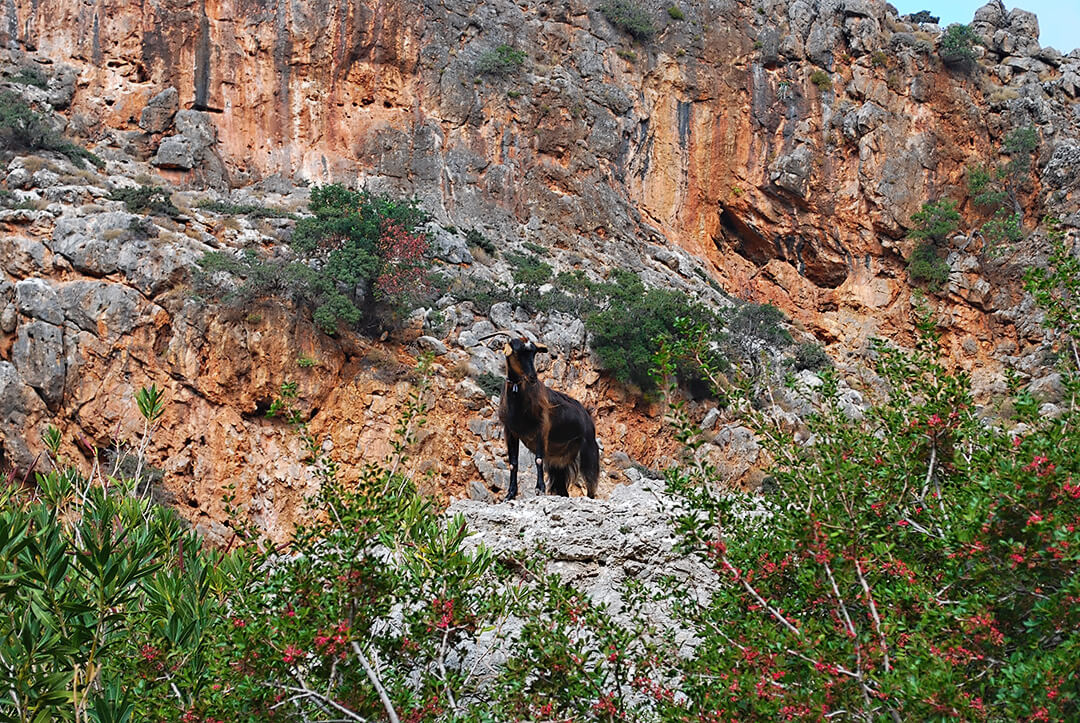
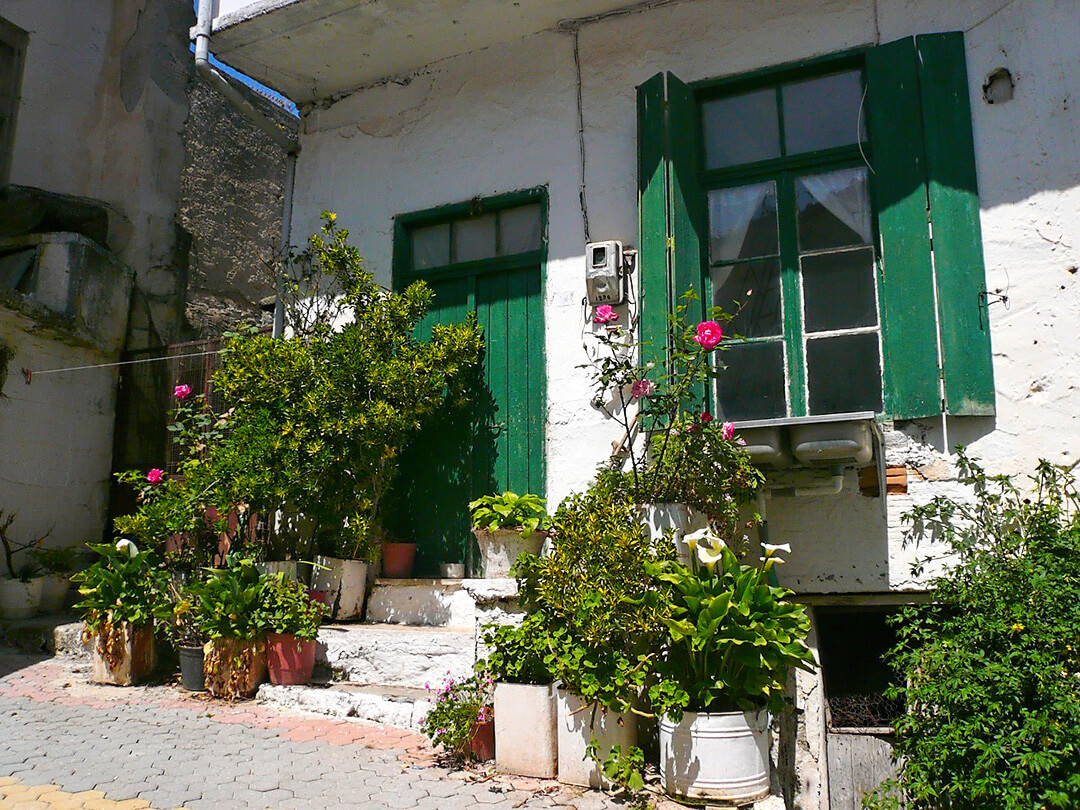
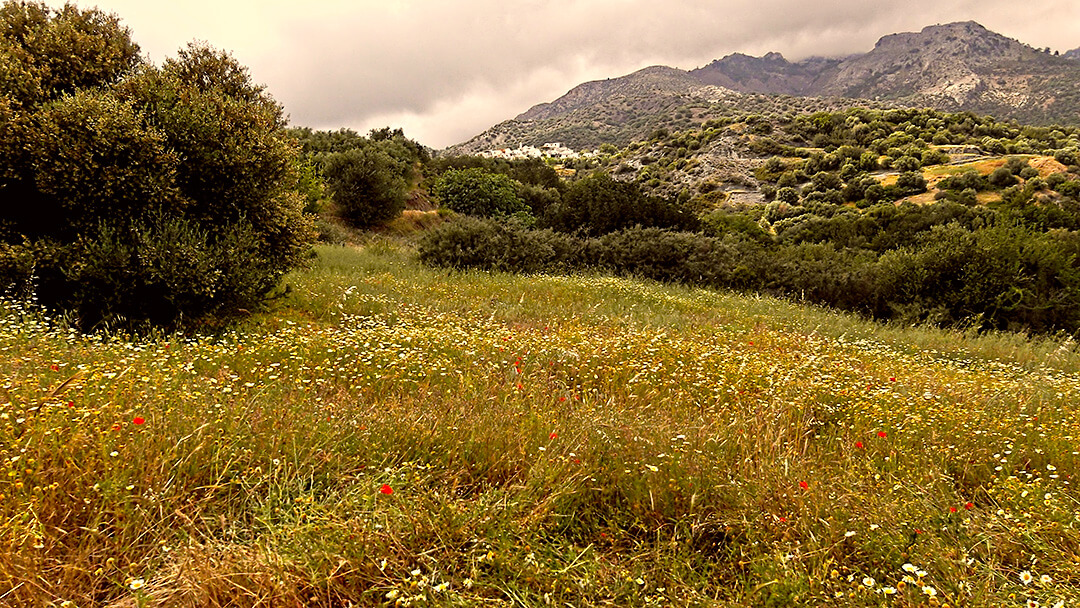
Spanning 260 kilometers in length and ranging from 16 to 60 kilometers wide, Crete is the largest of the Greek islands. Its southerly location grants it an enviable climate that remains inviting year-round. The island is incredibly diverse; its landscape is a rugged, verdant tapestry of mountains and dramatic gorges. Beyond its natural beauty, Crete is a collection of sleepy inland hamlets, rustic fishing villages, ancient monasteries, and historic castles.
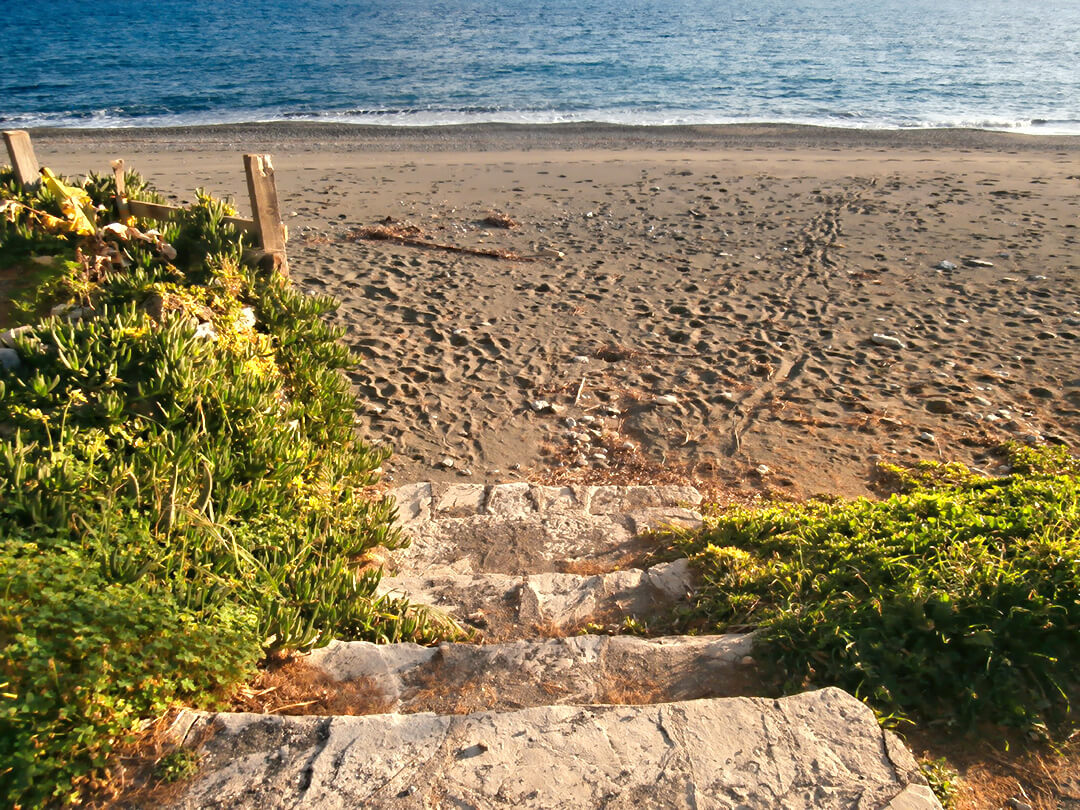
The people here are first and foremost Cretans—immensely proud of their island and its unique traditions. Above all, you will be moved by their legendary hospitality, a cornerstone of local life. While parts of Crete, such as Chersonissos and Malia, have become hubs for mass tourism, the village of Mirtos offers a different world entirely. Here, you can enjoy wide-open spaces and a sense of "audible silence."
The Microclimate of Mirtos
Sheltered by the Dikti Mountains, southern Crete enjoys a climate even more Mediterranean than the north. In Mirtos, winters are milder and summers are warmer, though a refreshing sea breeze ensures the heat is never overwhelming.
Exploring the Region
Mirtos serves as an ideal base for discovery:
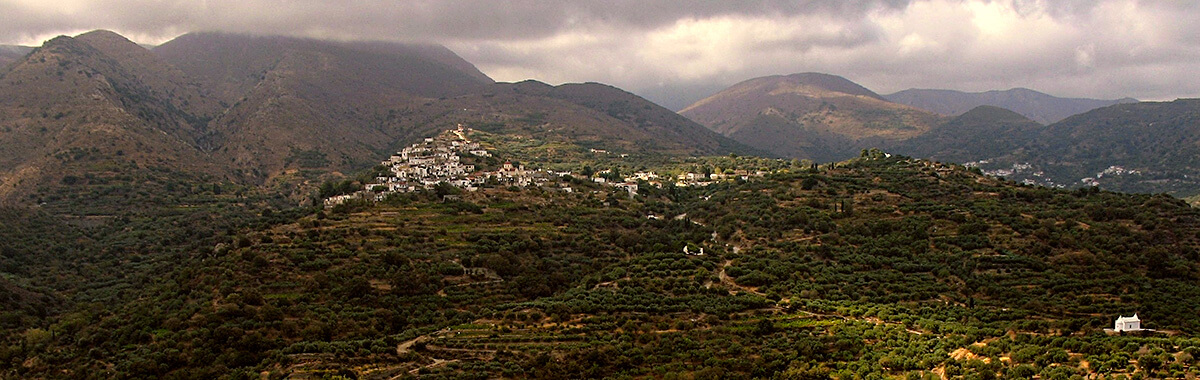
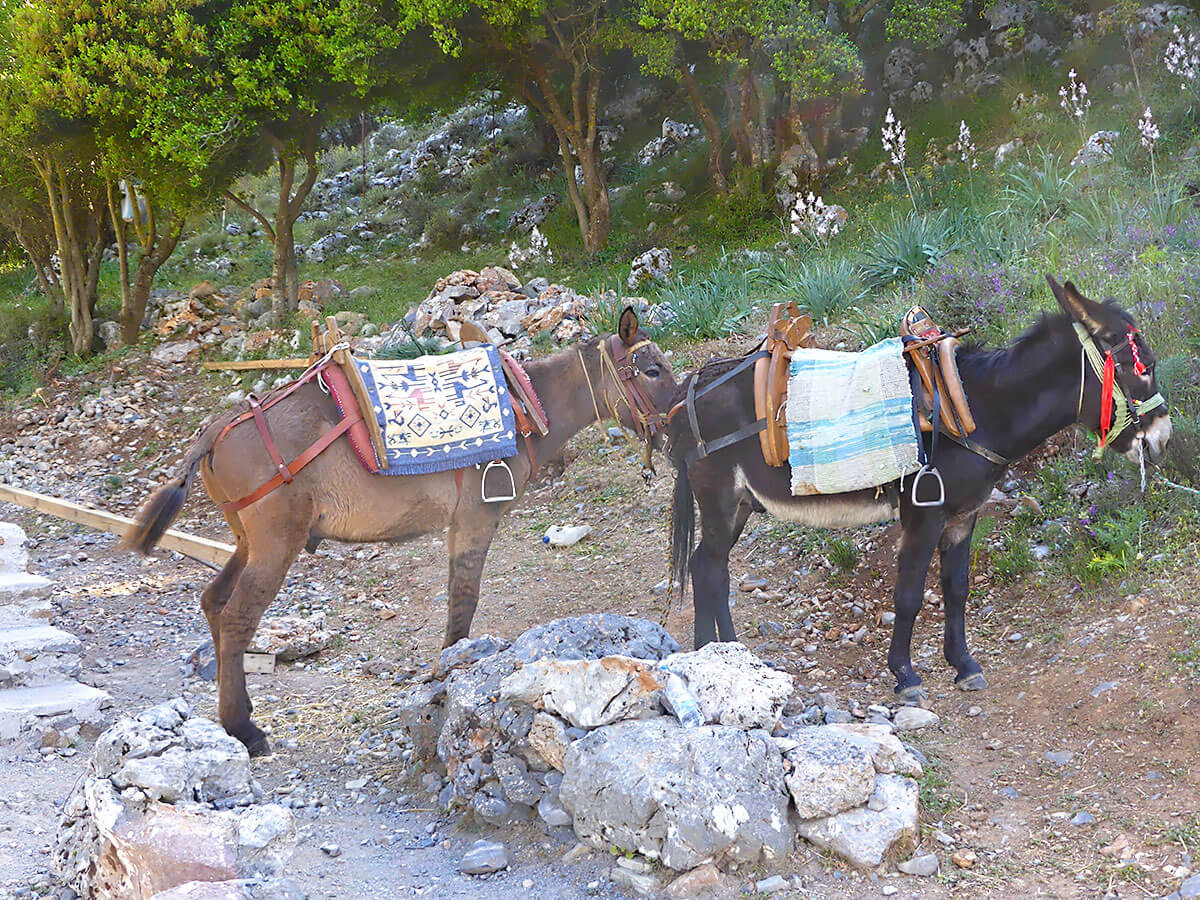
- Mountain Villages: Visit nearby traditional villages where life remains largely undisturbed and the welcome is always warm.
- Ancient History: Explore the remains of a local Minoan settlement or take an hour's drive to Knossos, the world-renowned center of Minoan civilization.
- Natural Wonders: Hike the Sarakina Gorge, visit the high Lassithi Plateau, or take a boat to the turquoise waters of Chrissi Island.